
Different Ways of Working, CREATING Stronger Teams
There’s no single right way to think, focus, communicate or work.
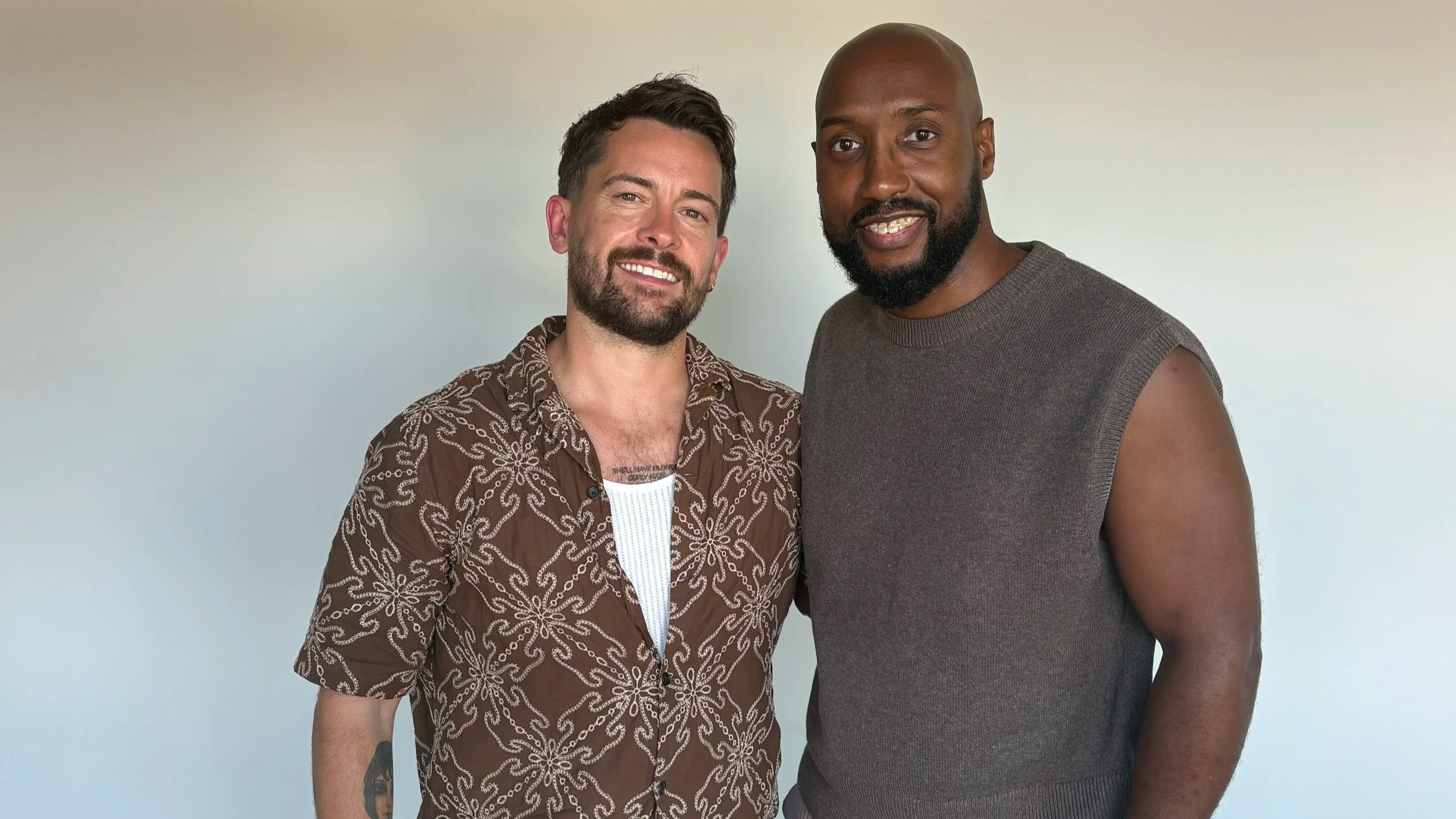
That was one of the biggest takeaways from a recent conversation with Jase Armstrong, Founder of Diversely Talented, and Rich Miles, Founder of The Diversity Standards Collective, who joined Team Sleek to share their experiences and perspectives on ADHD, neurodiversity and inclusive ways of working.
While ADHD provided the lens for the discussion, the themes stretched far beyond any one diagnosis. At its heart, the conversation was about understanding people as individuals, recognising different strengths and creating environments where everyone can do their best work.
Looking beyond assumptions
Workplaces are often built around unspoken expectations.
How quickly people reply to emails. How meetings are structured. How information is shared. How productivity is measured.
Most of the time, these practices are created with good intentions. But they can also be built around the assumption that everyone processes information, communicates and works in similar ways.
The conversation challenged that idea.
Instead, it encouraged us to think about the wide range of ways people approach work and how understanding those differences can lead to stronger collaboration, better communication and more effective teams.
One person's ideal working environment may feel overwhelming to someone else. One person's preferred communication style may not be how another person absorbs information best.
Recognising those differences isn't about creating complexity. It's about understanding that people don't all work in the same way and that's perfectly okay.
Different ways of thinking bring different strengths
One of the most interesting themes explored was the relationship between different ways of thinking and creativity.
The discussion touched on how neurodivergent perspectives can contribute to idea generation, problem-solving, innovation and collaboration. Looking at a challenge from a completely different angle can often unlock solutions that may otherwise be overlooked.
It was a useful reminder that diversity isn't only about background or experience. It's also about perspective.
The strongest teams aren't usually made up of people who think identically. They're often made up of individuals who approach challenges differently, challenge assumptions and bring unique viewpoints to the table.
When people feel comfortable working in ways that play to their strengths, creativity and collaboration have more room to flourish.
Small adjustments can make a big difference
A recurring message throughout the conversation was that creating a more inclusive working environment doesn't always require sweeping change.
In many cases, the most meaningful improvements come from relatively small adjustments.
Clear agendas can help people prepare and contribute more confidently. Space between meetings gives people time to reset, process information and move between tasks more effectively. Open conversations create opportunities to understand what support may be helpful and where flexibility could make a difference.
What is often seen as an adjustment for one individual frequently improves the experience for everyone.
Better communication, clearer expectations and more thoughtful ways of working benefit entire teams.
From awareness to action
Perhaps the strongest takeaway from the session was the importance of moving beyond awareness alone.
Understanding different experiences is valuable, but real inclusion comes from being willing to act on that understanding.
One simple framework shared during the discussion stood out: Notice. Ask. Adapt.
· Notice what might be creating friction.
· Ask questions rather than making assumptions.
· Adapt where possible.
It's a simple idea, but a powerful one. Rather than assuming what somebody needs, it encourages conversations built on curiosity, empathy and understanding. It shifts the focus away from labels and towards people.
Why these conversations matter
At Sleek, we believe that the best ideas often come from bringing together different perspectives.
Creating opportunities for conversations like this helps us continually learn, challenge assumptions and think more carefully about how we work together.
Not because everyone will have the same experiences. But because they won't.
The more we understand different viewpoints, different strengths and different ways of working, the better equipped we are to support one another, collaborate effectively and build stronger teams.
Because ultimately, great work isn't created by everybody thinking the same way.
It's created by valuing the differences that make each person unique.